When insect swarms compromise sanitary boundaries or rodents damage concealed infrastructure, home protection demands rigorous biological containment. Operating across Hamilton County, our pest control service Cincinnati protocol applies targeted botanical formulations and heavy physical exclusion to halt infestations immediately.
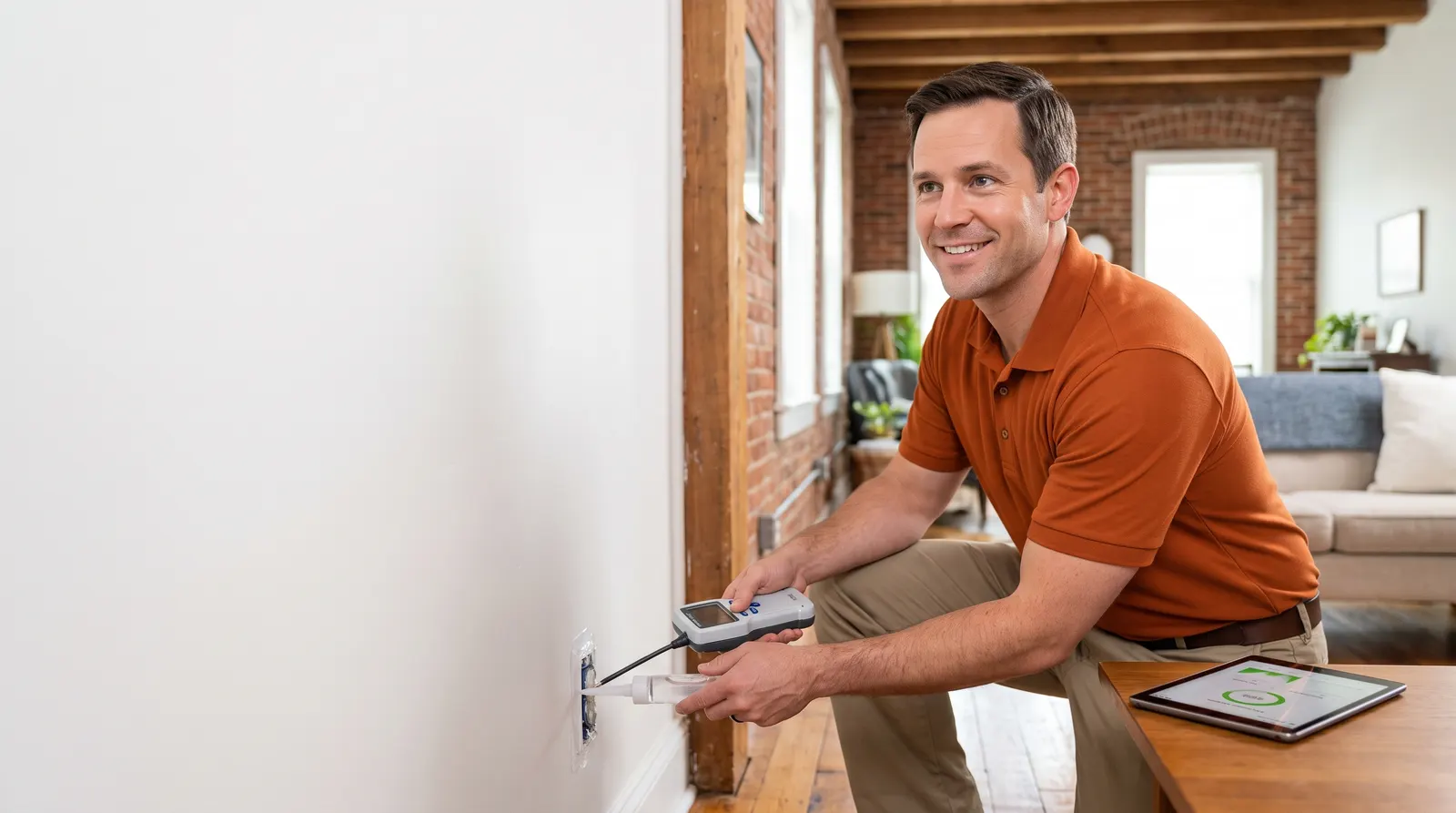
A pest control service company in Cincinnati is a specialized structural health and environmental defense provider that eliminates active biological infestations and secures building perimeters against future intrusions.
Every service reflects the same meticulous attention to detail, whether it's a single job or a larger pest control sevice project across Cincinnati.
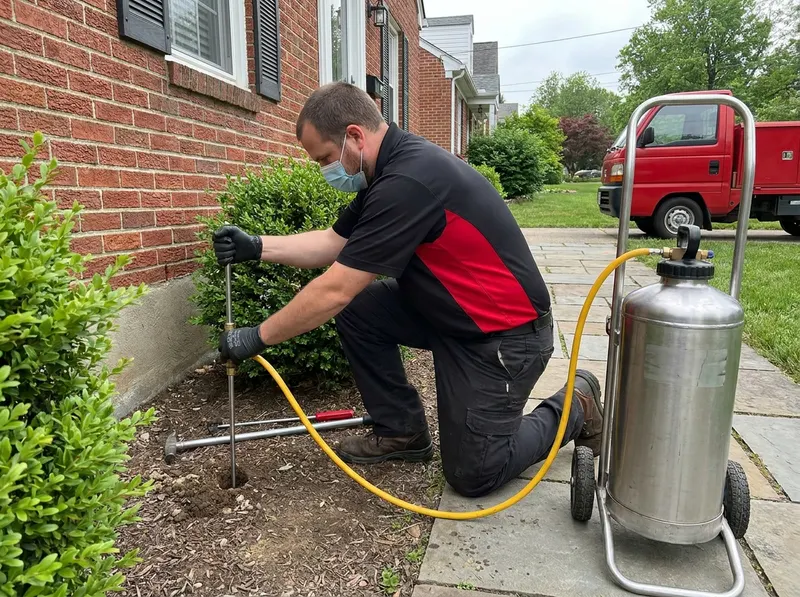
Subterranean termites, specifically Reticulitermes flavipes, cause profound hidden structural damage across Southwest Ohio river valleys. Ashmere Insect Solutions establishes continuous horizontal and vertical chemical zones along structural footings using liquid non-repellent termiticides such as fipronil, which workers unwittingly pass through the colony via social grooming. For crawl spaces and fieldstone basements, we install targeted monitoring stations containing noviflumuron chitin-synthesis inhibitors. Field evaluations show that structural perimeter trenching combined with targeted wall-void injections eliminates existing colonies while establishing persistent soil defenses that protect structural sill plates from seasonal April and May swarm re-infestation. Technicians calibrate application equipment to dispense precisely 4 gallons of mixed chemical per 10 linear feet per foot of depth, adhering strictly to EPA pesticide standards to ensure structural stability without contaminating municipal runoff.
Get a quote →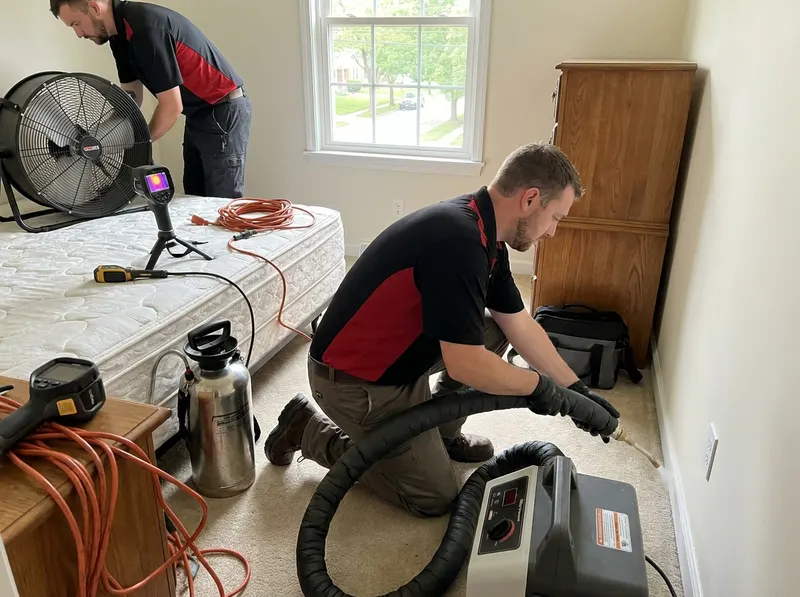
Cimex lectularius infestations disrupt sleep, inflict painful bite marks, and spread through building utility chases. Our remediation approach integrates controlled industrial thermal convection heaters that raise core ambient room temperatures to lethal zones between 122°F and 135°F, effectively denaturing pest proteins and desiccating viable egg casings within six to eight hours. For sensitive electrical chases, baseboard cavities, and structural framing, technicians apply pharmaceutical-grade amorphous silica gel dust, which destroys pest waxy cuticles upon contact. This combined strategy ensures immediate physical relief without leaving persistent synthetic oily residues across residential living surfaces or bedding materials. Detailed room preparation protocols provided in advance prevent heat damage to delicate residential belongings while allowing penetrating convective air currents to saturate deep mattress batting, upholstered furniture joints, and wall-ceiling interfaces.
Get a quote →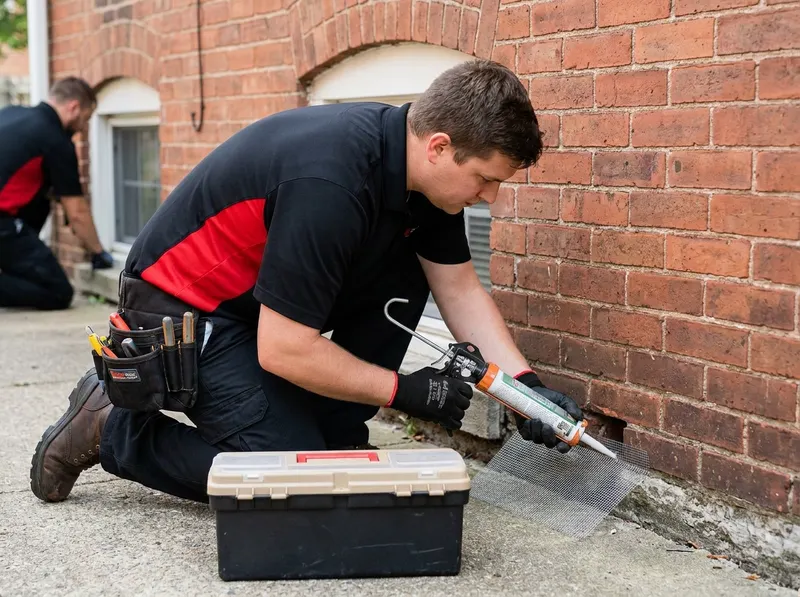
Norway rats and white-footed mice exploit architectural gaps as narrow as one-quarter inch to infiltrate residential wall voids and ceiling planes. The eradication process begins with a comprehensive structural audit of basement utility penetrations, deteriorated crawl space vents, and roofline intersections. We install heavy-gauge galvanized hardware cloth, expanding elastomeric foams, and copper wire mesh to physically bar biological re-entry. Interior mechanical trapping runs parallel to exclusion work, stripping harborage populations within 72 hours while avoiding interior anticoagulant baits that cause rodent mortality within concealed drywall spaces. Our field technicians inspect attics and sub-grade foundations following guidelines set by the National Pest Management Association to confirm that structural air-envelope seals block external olfactory pheromone trails that attract surrounding rodent colonies.
Get a quote →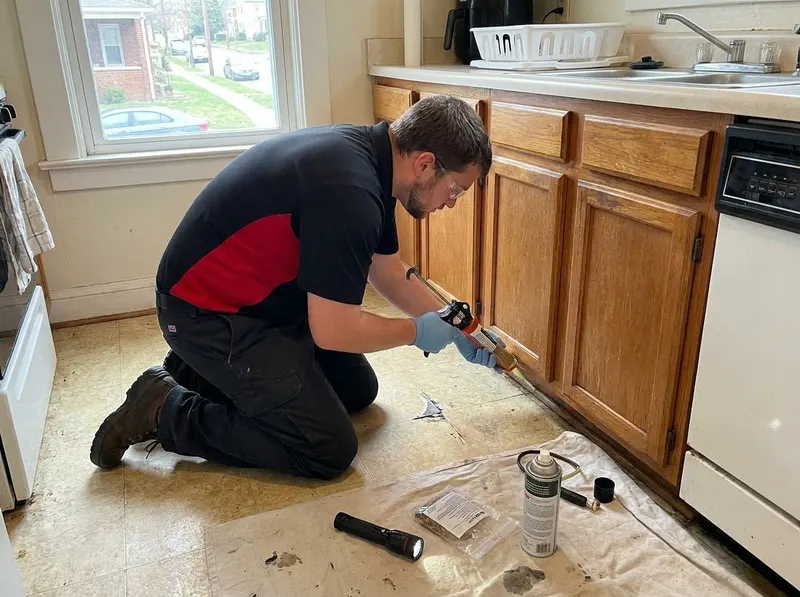
Blattella germanica thrives in warm, humid kitchen and plumbing chases, triggering childhood asthma allergens and contaminating food surfaces. Ashmere Insect Solutions deploys targeted matrix baits formulated with insect growth regulators (IGRs) like pyriproxyfen and hydramethylnon micro-doses. These matrices disrupt reproductive cycles and stunt juvenile nymph molting phases. High-efficiency particulate air (HEPA) vacuuming physically extracts harborage aggregation points from beneath commercial sinks, motor housings, and cabinet joins, providing immediate sanitization and rapid population crashes across commercial and multi-family residential kitchens. Routine follow-up inspections utilize non-toxic sticky pheromone insect traps positioned precisely along plumbing vertical chases to monitor localized nymph emergence, verifying that secondary generations collapse prior to reaching sexual maturity.
Get a quote →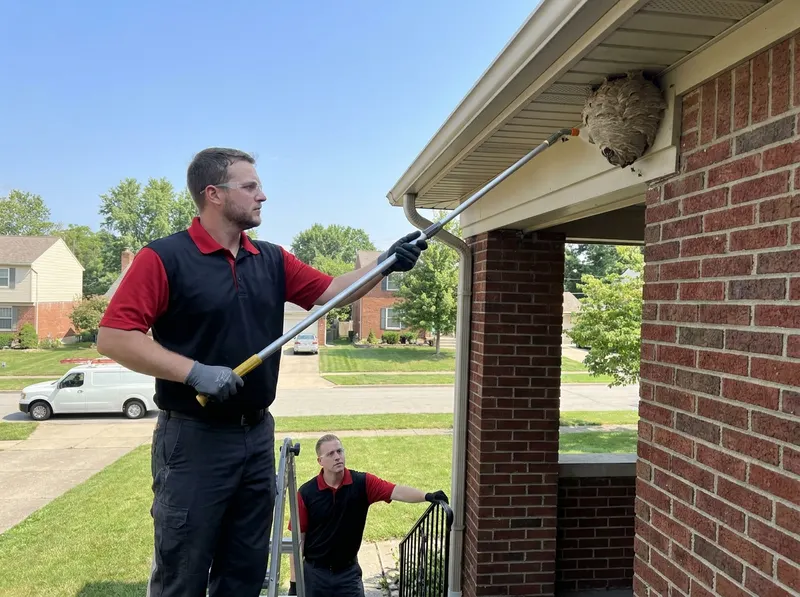
Paper wasps, bald-faced hornets, and subterranean yellow jackets establish territorial aerial nests under soffits, porch overhangs, and retaining walls, presenting severe sting hazards to children and domestic pets. Technicians utilize targeted pressurized botanical pyrethrin micro-aerosols to neutralize active nests up to 20 feet high without broad exterior broadcast contamination. Following total knockdown, technicians mechanically scrape away nest bases and treat attachment substrates with micro-encapsulated repellents to prevent rebuilds. Subterranean nests embedded along garden terraces receive direct soil injections that neutralize subterranean queens and guard workers instantly. All operations align with safety guidelines established by the Occupational Safety and Health Administration to protect property residents and workers from severe defensive stinging swarms.
Get a quote →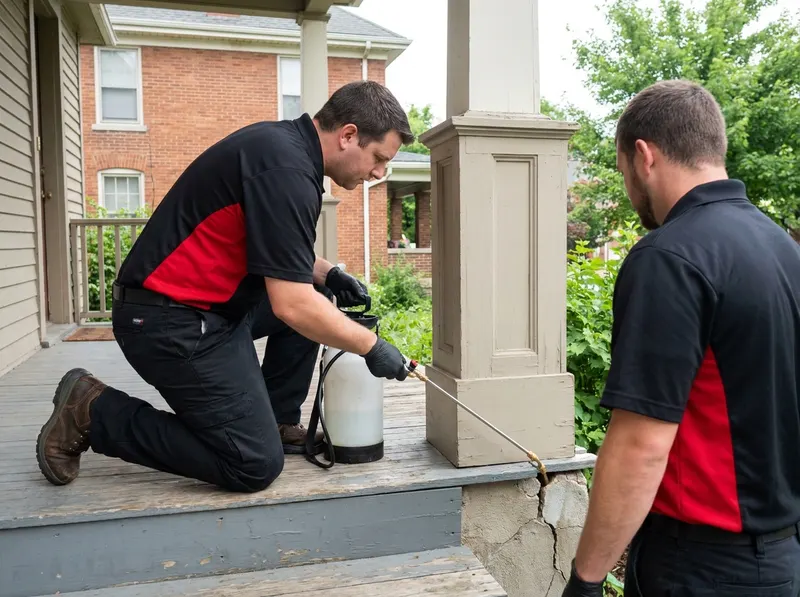
Camponotus pennsylvanicus excavates smooth nesting galleries within moisture-softened structural framing, floor joists, and porch supports. Eradication requires precise tracking of exterior pheromone foraging trails along trees, utility drops, and foundation perimeters. We deploy slow-acting fipronil liquid baits and moisture-resistant granular baits carried directly into parent and satellite colonies to eliminate queens. Concurrently, technicians drill small, targeted inspection access points into compromised interior structural framing to apply dry boric-acid dusts directly into active nesting galleries, arresting wood fiber excavation before wall integrity fails. We cross-reference structural moisture retention zones against building code recommendations from the International Code Council , ensuring damp framing members are identified for mechanical remediation alongside chemical pest elimination.
Get a quote →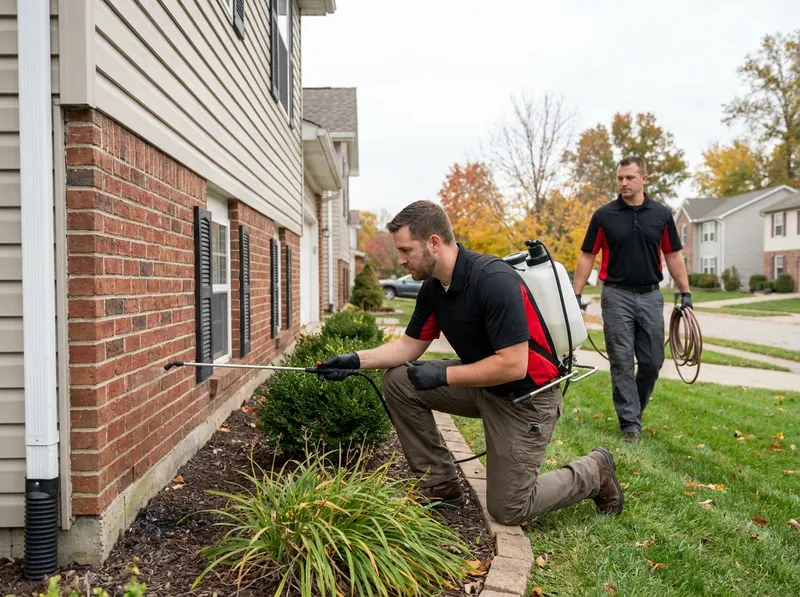
Centipedes, brown marmorated stink bugs, boxelder bugs, and earwigs migrate toward climate-controlled living spaces during transitional seasonal shifts. Our recurring exterior defensive perimeter treatment establishes a continuous three-foot vertical and horizontal barrier outward from the foundation wall using micro-encapsulated synthetic pyrethroids. Technicians brush debris clear from weep holes, apply water-resistant dusts inside external electrical disconnect boxes, and seal exterior window-sill seams. This barrier suppresses crawl space invaders before they bridge foundation masonry joints and penetrate living quarters. Applications are scheduled to correspond with local regional biological activity, creating an unbroken seasonal cordon that withstands persistent rain and soil thermal degradation.
Get a quote →Raccoons, Eastern gray squirrels, and striped skunks frequently compromise soffit returns, gable vents, and crawl spaces beneath exterior decking. Certified technicians erect steel one-way displacement doors and humane live cage-traps designed to safely capture invading animals along established roof pathways. Once structures are cleared, technicians reinforce vulnerable soffits with 16-gauge galvanized steel screens, cap exposed chimney clay liners, and install buried subterranean hardware mesh skirts around exterior deck foundations to prevent future subterranean nesting and structural damage. Wildlife removal operations conform to biological nuisance wildlife regulations set by the Ohio Department of Natural Resources , ensuring ethical, non-injurious capture and structural exclusion.
Get a quote →You get a firm, itemized quote for your pest control sevice before any work begins, no surprises, no pressure.
Careful prep, tidy work, and a full cleanup when we are done. We treat your home and belongings like our own.
The same trusted, background-checked team from the first call to the final check.
Selecting structural pest interventions depends entirely on structural age, target biology, and property architecture. If your property features historic rubble-stone or fieldstone foundations typical of Over-the-Rhine, Walnut Hills, or Clifton, physical mechanical exclusion combined with interior low-toxicity baiting is required rather than perimeter liquid trenches alone, because shifting mortar lines create unsealed entry fissures. If you manage a slab-on-grade modern build in Pleasant Ridge or Oakley, sub-slab non-repellent termiticide barrier injections offer reliable five-to-ten-year soil barriers.
For multi-unit residential structures facing bed bug infestations, thermal heat remediation paired with desiccant dust applications provides complete ovicidal elimination in a single operational window; the trade-off is higher upfront capital cost compared to multi-visit chemical applications, which demand intensive tenant preparation and repeated localized treatments over four to six weeks. For chronic outdoor mosquito pressure near river terraces or humid ravines in Mount Adams, automated perimeter misting or recurring monthly larvicide treatments maintain suppression, whereas one-time seasonal sprays degrade quickly following heavy Ohio River valley summer precipitation. Furthermore, if you suspect powderpost beetle infestations in hand-hewn joists across older historic homes, deep-penetrating borate wood treatments are mandatory rather than space fumigation; borate salts permanently bond with cellulose fibers to poison wood-boring larvae over successive life cycles, though the trade-off involves stripping surface paints or sealants to facilitate complete chemical absorption.
Every project gets a firm, written price after an on-site visit. Ranges below for orientation.
Tell us about your pest control sevice job and we'll send a clear, written quote, usually the same day. Or just call and talk to a real Cincinnati pro.
(513) 812-8078
Cincinnati's unique topographical river basin terrain and mature architectural character create acute structural pest vectors. Historic 19th-century brick and rubble-stone foundations throughout Over-the-Rhine, Walnut Hills, and Clifton frequently settle over decades, opening sub-grade structural gaps that channel Norway rats from subterranean combined sewer networks directly into living spaces. Meanwhile, humid microclimates around Eden Park, Ault Park, and the Ohio River basin accelerate subterranean termite swarming activity in saturated clay soils every April and May. High relative humidity and limestone outcroppings across Mount Adams and College Hill supply sustained dampness that nurtures subterranean insect colonies, while mature oak and maple tree canopies spanning Hyde Park and Northside provide elevated bridges for carpenter ants and Eastern gray squirrels to bypass foundation chemical barriers and enter vulnerable roof soffits. In addition, residential properties situated along Columbia Parkway and Martin Luther King Jr. Drive frequently experience seasonal insect migration surges when heavy summer storms wash out natural woodland nesting habitats, forcing woodland pests into conditioned basement perimeters.
 Ashmere Insect Solutions